What Most Homeowners Miss After Water Damage (And It Gets Expensive Fast)
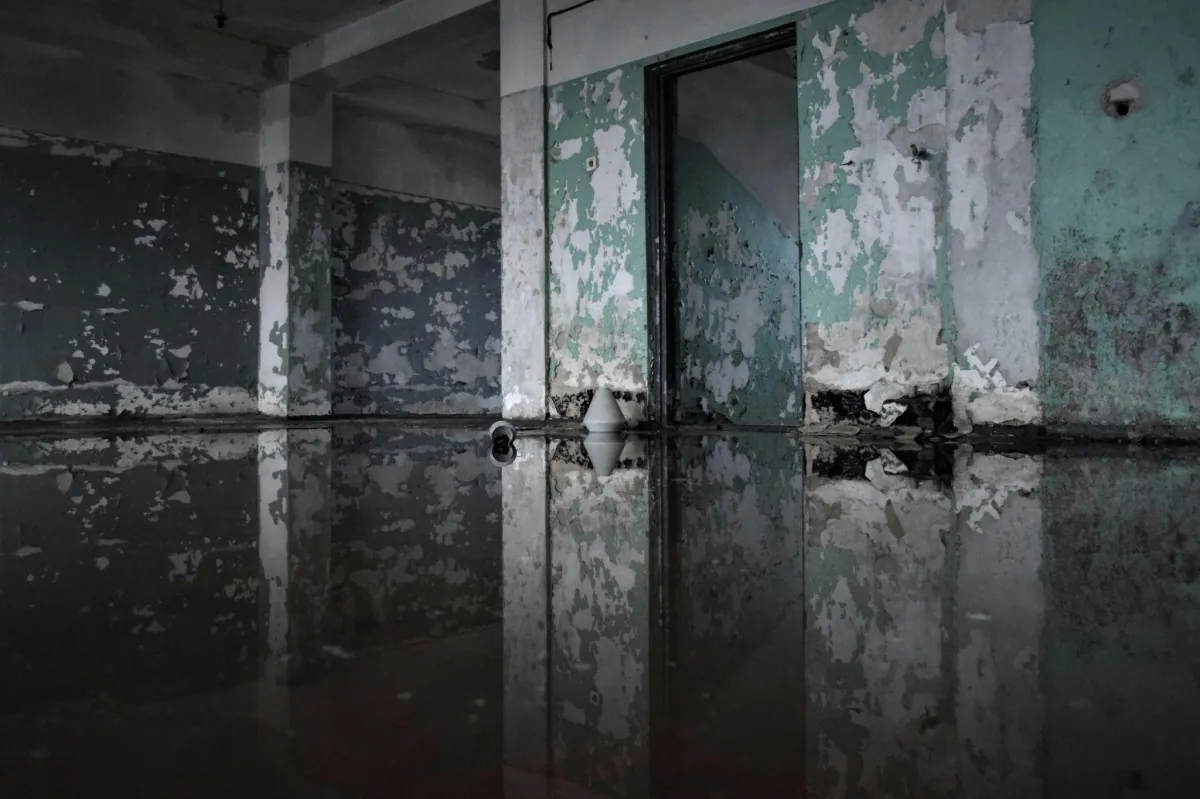
Water damage does not always look as serious as it really is. In many cases, what you can see is only a small part of the problem. A wet carpet, a stained ceiling, or a slightly warped wall might seem manageable at first. But underneath those visible signs, damage often spreads quietly.
Most homeowners focus on what is obvious. They dry what they can, clean what they see, and assume the problem is under control. The issue is that water rarely stays where it first appears. It moves through materials, settles into hidden areas, and continues causing damage long after the surface looks dry.
That is where things start getting expensive.
The Hidden Moisture You Cannot See
After water exposure, moisture does not just sit on the surface. It seeps into drywall, flooring, insulation, and structural components. Even when everything feels dry to the touch, moisture can still be trapped inside.
This hidden moisture creates the perfect environment for mold growth and structural weakening. It does not happen overnight, which is why many homeowners miss it completely. Weeks later, they start noticing odors, discoloration, or even health issues.
By that point, what could have been a simple fix often turns into a larger restoration project.
If you are dealing with early signs of damage, it is important to understand how water damage restoration works and why proper drying matters beyond what is visible.
Why Drying the Surface Is Not Enough
One of the most common mistakes is assuming that fans and open windows will solve the problem. While airflow helps, it does not remove moisture trapped inside materials.
Professional drying involves specialized equipment designed to pull moisture from deep within walls and flooring. Without that level of drying, the damage continues silently.
This is especially important in areas like subflooring or behind cabinets, where moisture can remain for long periods without any visible signs.
Homeowners often realize this too late when repairs start costing significantly more than expected.
The Structural Damage That Builds Over Time
Water weakens materials gradually. Wood begins to warp. Drywall loses its strength. Flooring starts to separate or buckle. These changes may not be immediate, but they develop steadily.
At first, everything may look fine. Then doors stop closing properly. Floors feel uneven. Cracks begin to appear in walls. These are all signs that the structure has been affected.
Addressing water damage early can prevent these issues. Ignoring it or underestimating it allows the damage to spread deeper into the property.
The Risk of Mold and Air Quality Issues
Mold growth is one of the biggest concerns after water damage. It thrives in damp, hidden environments and can begin developing within a short time under the right conditions.
What makes it more concerning is that mold is not always visible. It can grow behind walls, under flooring, or inside insulation. By the time it becomes noticeable, it has often already spread.
Poor air quality caused by mold can affect your health, especially if you spend a lot of time indoors. Many homeowners do not connect these symptoms back to water damage until much later.
This is why proper water removal and drying are critical from the beginning.
Why Delays Make Everything Worse
Time plays a major role in how severe water damage becomes. The longer moisture sits, the more it spreads and the more damage it causes.
What could have been resolved with quick water removal can turn into structural repairs, mold remediation, and full restoration work. Costs increase not because the problem was severe at the start, but because it was not handled completely.
If you are facing an urgent situation, understanding how emergency water extraction in San Bernardino works can make a significant difference in preventing further damage.
The Importance of a Complete Assessment
Many homeowners rely on what they can see to decide what needs to be fixed. The problem is that water damage is rarely limited to visible areas.
A proper assessment looks beyond the surface. It identifies where moisture has traveled, what materials are affected, and what steps are needed to fully restore the property.
Skipping this step often leads to incomplete repairs, which means the same issues return later, sometimes worse than before.
What You Should Do Instead
The key is not just reacting to water damage but understanding its full impact. Acting quickly is important, but doing it correctly matters even more.
A thorough approach involves removing water, drying affected areas completely, and addressing any hidden damage. It is not just about restoring how things look but ensuring the structure and environment are safe long term.
When handled properly, water damage can be contained and resolved before it leads to bigger problems.
FAQs About Water Damage Restoration in San Bernardino
What is the first thing I should do after water damage in San Bernardino?
The first step is to stop the source of water if possible and remove any standing water. After that, it is important to begin drying immediately. However, proper water damage restoration in San Bernardino requires more than basic drying to prevent hidden moisture and long term issues.
How do I know if moisture is still trapped in my walls or floors?
Moisture trapped inside materials is not always visible. Signs may include musty odors, discoloration, or changes in texture. Professional water damage restoration services use tools to detect hidden moisture that cannot be identified through visual inspection alone.
Can water damage lead to mold even if everything looks dry?
Yes, mold can develop in areas where moisture remains trapped, even if surfaces appear dry. This is why complete drying is essential during water damage restoration in San Bernardino to prevent mold growth and air quality issues.
How long does water damage restoration take?
The timeline depends on the extent of the damage and how far moisture has spread. Some cases can be resolved in a few days, while more severe situations may take longer. Proper assessment ensures that all affected areas are addressed.
Is emergency water extraction really necessary?
Yes, emergency water extraction helps remove water quickly before it spreads deeper into materials. Delaying this step can increase the severity of the damage and lead to higher repair costs.
What happens if water damage is not fully repaired?
Incomplete repairs can lead to structural issues, mold growth, and recurring damage. Over time, this can result in higher costs and more extensive restoration work than if the problem was handled properly from the start.
Need Help With Water Damage in San Bernardino
If you are dealing with water damage, taking the right steps early can make all the difference. A complete approach helps prevent hidden issues and protects your property from long term damage.
Request a Free Estimate
Call (909) 533-7302
